Port Reception Facilities
Port Waste Reception and Ship-Generated Waste Treatment Facilities
CDT is a global leader in environmental management, specializing in advanced and integrated waste management solutions that meet the highest international standards and industry best practices. Founded with a vision to transform the maritime industry's approach to sustainability, the company continues to invest in innovative technologies that protect seas and oceans and contribute to a cleaner, more sustainable future. With operations spanning multiple continents, CDT has established itself as a trusted partner for governments, international organizations, and private companies. Our services encompass the entire waste management lifecycle, from reception, collection, sorting, transportation, and treatment, through resource recovery and recycling, to the safe final disposal of non-recoverable waste.
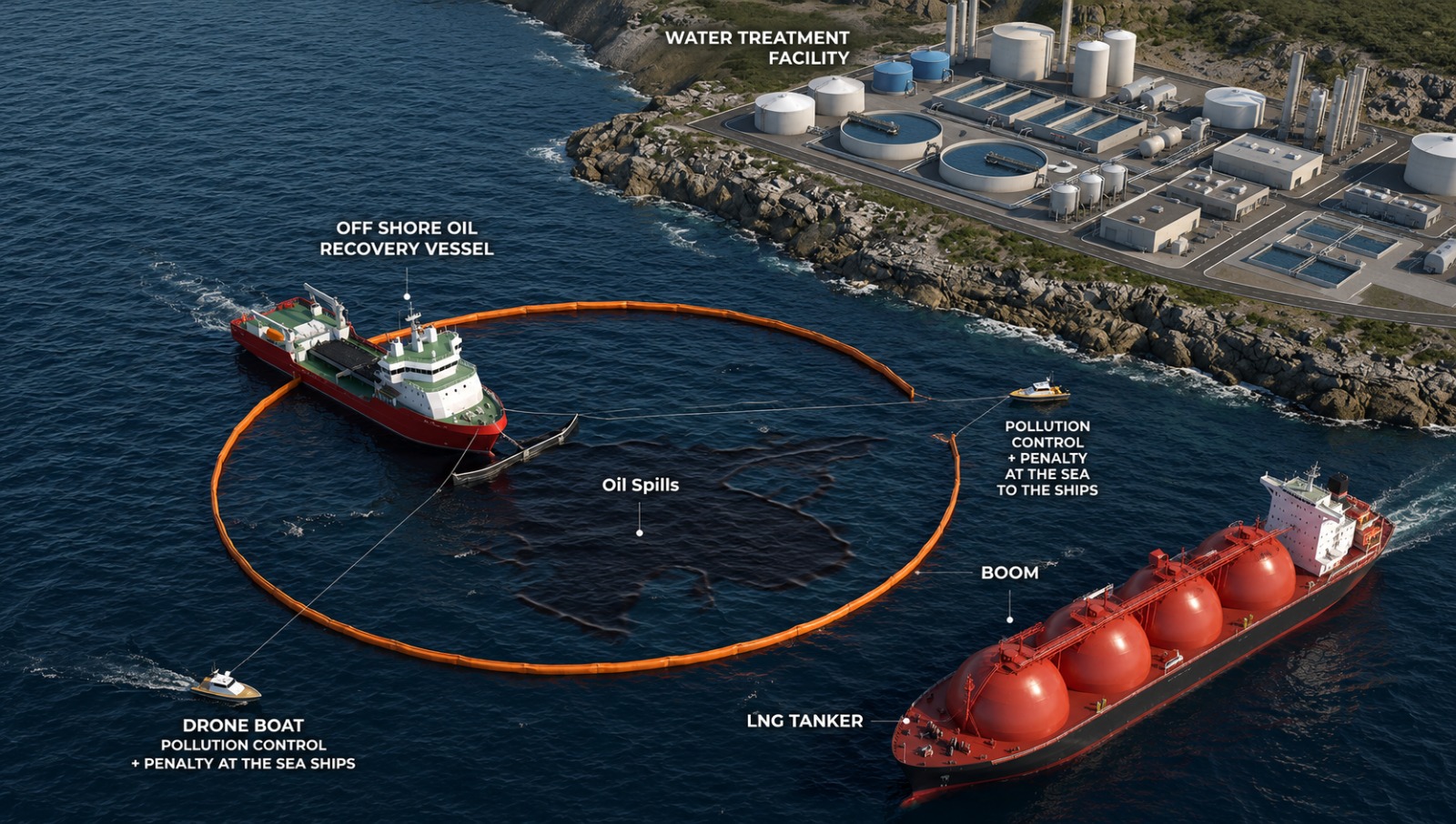
Port waste reception facilities are among CDT's key environmental solutions for ports and the maritime industry. These facilities are designed to receive and process various types of waste generated from ships, including used oil, ballast water, oily wastewater, oily sludge, sewage, cargo waste, solid waste, and other marine debris.
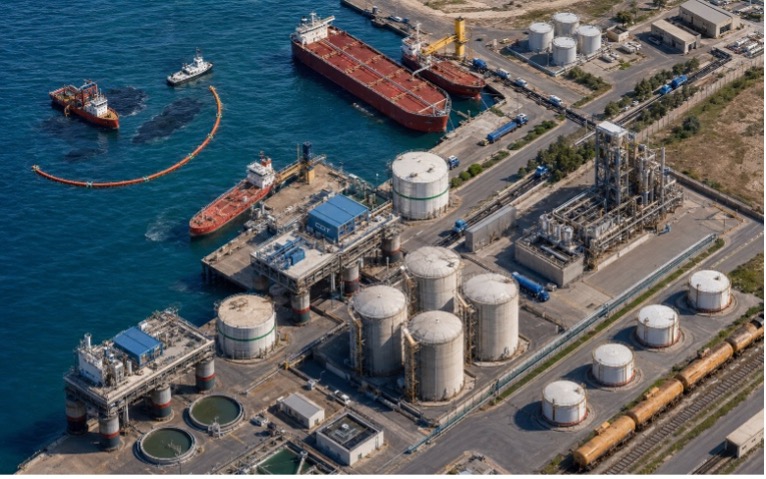
CDT operates state-of-the-art technologies and modern treatment systems to manage this waste safely and efficiently. Our treatment processes include oil-water separation, purification of contaminated liquids, recovery of oils and reusable materials, and removal and treatment of pollutants and impurities. These processes minimize the volume of waste requiring final disposal while maximizing the recovery and reuse of valuable resources.
We also offer specialized ballast water treatment solutions designed to reduce the transfer of harmful aquatic organisms and invasive species between different marine environments. Wastewater and oily sludge are treated using specialized systems that separate their components into oil, water, and solids. Each separate component is directed to a treatment, recovery, or recycling process, according to its characteristics and applicable environmental requirements.
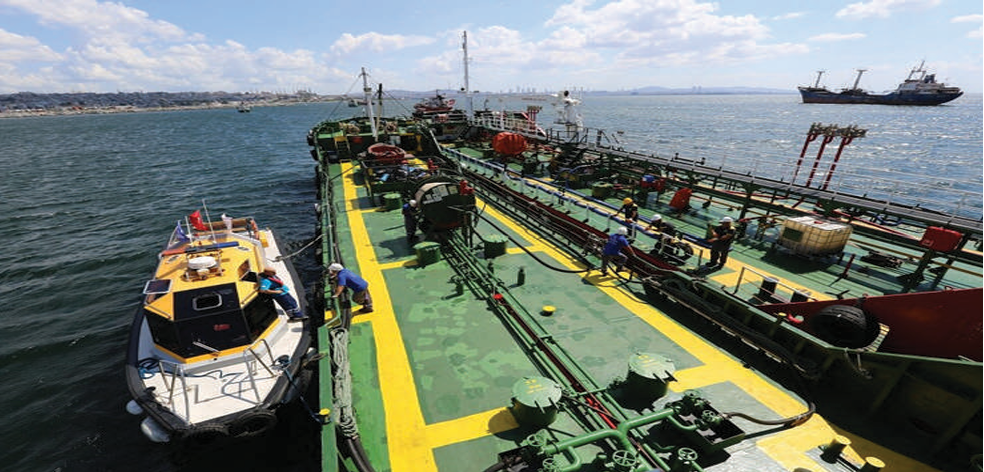
The waste reception process begins with identifying the type, quantity, and characteristics of the waste. The waste is then collected using specialized equipment, containers, tankers, and storage systems before being safely transported to approved treatment facilities.
CDT applies stringent environmental, health, and safety standards throughout the entire process. All operations are meticulously documented and monitored to ensure transparency, traceability, and full compliance with regulations.
CDT is committed to providing reliable and efficient services that enable vessels to discharge their waste while docked in ports without causing any unnecessary delays to maritime or commercial operations. We offer flexible solutions tailored to the specific needs of each port and vessel, supported by qualified personnel, advanced infrastructure, and state-of-the-art equipment.
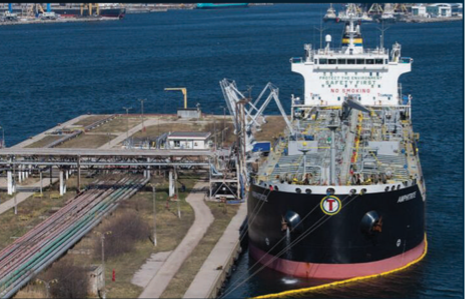
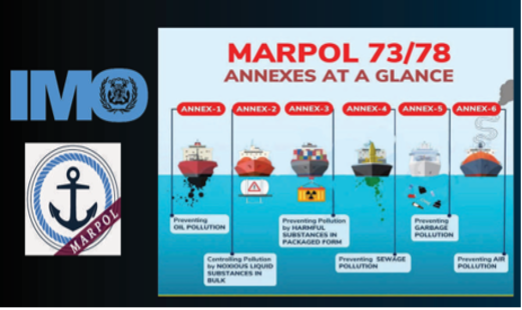
All CDT services are provided in accordance with applicable local and international environmental regulations, including the requirements of the International Maritime Organization (IMO) and the provisions of the International Convention for the Prevention of Pollution from Ships (MARPOL). This commitment helps vessels and ports fulfill their environmental responsibilities while minimizing the risks of illegal discharges, spills, and other incidents that could harm marine waters, coastlines, and aquatic life.
By combining global expertise, advanced technologies, modern infrastructure, and responsible waste management practices, CDT contributes to preventing marine pollution, promoting a circular economy, and restoring valuable resources. Our ship-generated waste treatment facilities reflect our ongoing commitment to cleaner, safer, more efficient, and sustainable port operations while preserving the marine environment for future generations.